Why This Profile Uses Hard Money
- Complex project structuring
- Phased development financing
- Experience-based underwriting
- Flexible collateral options

Borrower Type
Specialized lending for developments combining residential, commercial, and retail spaces.
Why This Profile Uses Hard Money
Overview
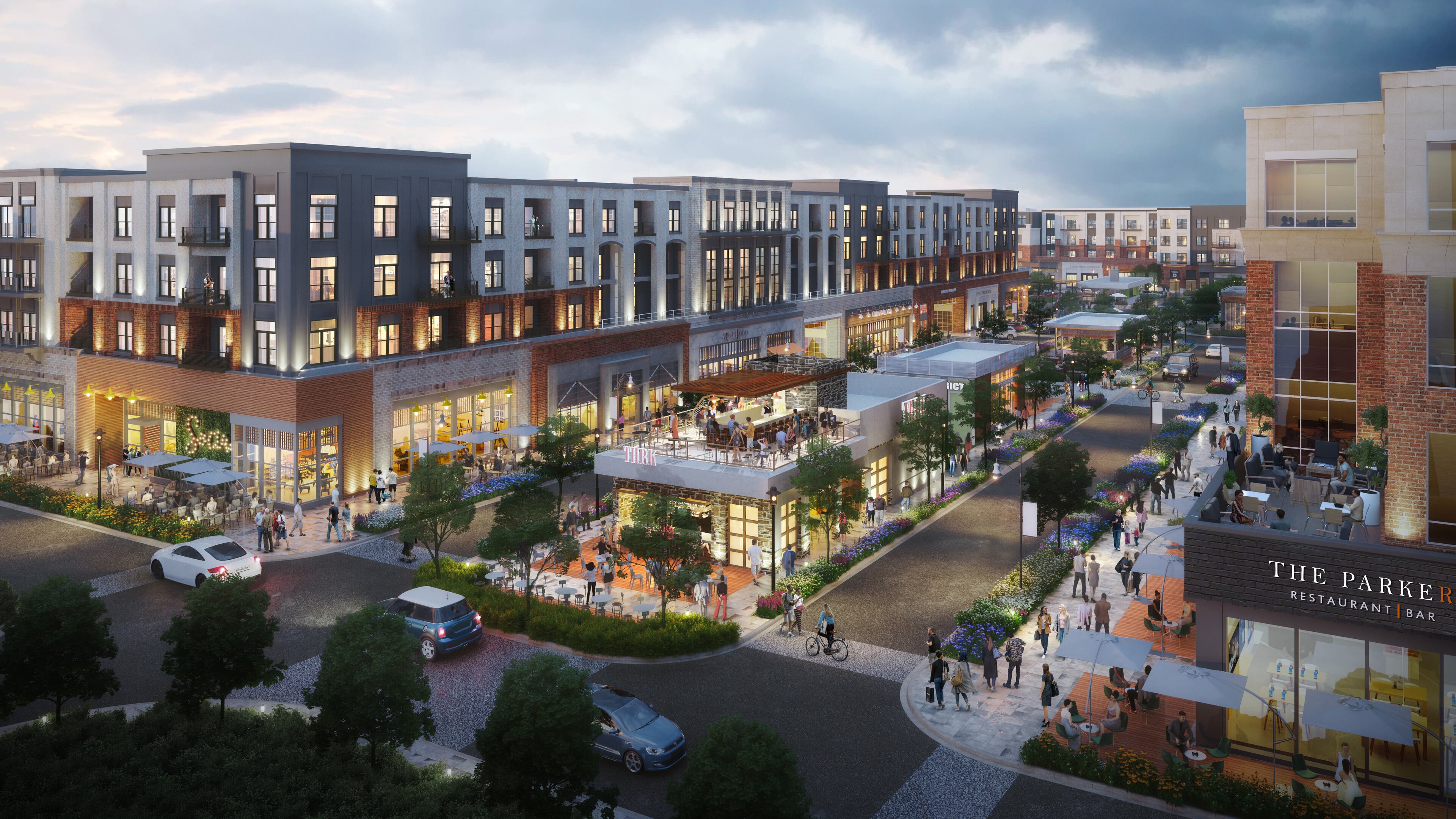
Mixed-use project developers in Newport Beach and Orange County create the integrated retail-residential and live-work environments that define Newport Beach's most vibrant neighborhoods. Corona del Mar's Big CdM village, Balboa Island's walkable mixed-use main street, and the emerging mixed-use corridor along Costa Mesa's 17th Street border with Newport Beach all represent the development pattern that Newport Beach's affluent, lifestyle-driven market rewards. Ground-floor retail generating foot traffic that benefits residential tenants above, live-work configurations that serve the professional class from Hoag Hospital and SNA Airport-corridor companies, and hospitality-retail combinations serving the Pelican Hill Resort event circuit all create mixed-use investment and development opportunities that conventional single-use financing cannot serve.
At Newport Beach Hard Money Lenders, we structure financing for mixed-use projects that don't fit conventional lending templates. Multiple income streams with different lease-up timelines, phased construction with sequential stabilization milestones, and complex ownership structures — ground-floor retail as commercial condo, residential units as separate HOA — all create underwriting complexity that forces mixed-use projects out of bank commercial or residential programs. We evaluate mixed-use projects on their integrated income potential and overall development economics, not on which conventional lending box they fail to fit.
Mixed-use project developers in Newport Beach and Orange County create the integrated retail-residential and live-work environments that define Newport Beach's most vibrant neighborhoods. Corona del Mar's Big CdM village, Balboa Island's walkable mixed-use main street, and the emerging mixed-use corridor along Costa Mesa's 17th Street border with Newport Beach all represent the development pattern that Newport Beach's affluent, lifestyle-driven market rewards. Ground-floor retail generating foot traffic that benefits residential tenants above, live-work configurations that serve the professional class from Hoag Hospital and SNA Airport-corridor companies, and hospitality-retail combinations serving the Pelican Hill Resort event circuit all create mixed-use investment and development opportunities that conventional single-use financing cannot serve.
At Newport Beach Hard Money Lenders, we structure financing for mixed-use projects that don't fit conventional lending templates. Multiple income streams with different lease-up timelines, phased construction with sequential stabilization milestones, and complex ownership structures — ground-floor retail as commercial condo, residential units as separate HOA — all create underwriting complexity that forces mixed-use projects out of bank commercial or residential programs. We evaluate mixed-use projects on their integrated income potential and overall development economics, not on which conventional lending box they fail to fit.
Newport Beach's mixed-use development environment combines strong demand fundamentals — affluent consumer base, tourism from Pelican Hill and yacht-and-marina culture, professional residential demand from Hoag and SNA corridors — with strict planning and design review requirements that ensure well-conceived projects capture the full premium the market offers. We fund developers who have done the planning work and are ready to build, on timelines that the development opportunity requires.
Mixed-use developers use Newport Beach Hard Money Lenders across the project types that Newport Beach's planning-supported mixed-use zones generate.
Retail-over-residential development in Corona del Mar's village zones and along 17th Street creates the street-level activation that Newport Beach's pedestrian commercial environments require. Ground-floor retail serving neighborhood needs — specialty food, boutique services, yoga studios — with residential apartments or condominiums above is the fundamental mixed-use typology. We finance both construction of these projects and acquisition-and-repositioning of existing mixed-use buildings where current retail or residential component performance is below the market potential.
Live-work development serves Newport Beach's professional class — architects, designers, medical professionals, technology workers — who want work and residential space in the same building. Newport Beach's proximity to Hoag Hospital, the SNA Airport corporate campus, and the broader Irvine technology corridor creates consistent demand for well-designed live-work product in walkable Newport Beach locations. We finance live-work development and conversion of commercial buildings to live-work use.
Hospitality-retail mixed-use in Newport Beach capitalizes on the city's exceptional tourism infrastructure — Pelican Hill Resort, Newport Harbor Yacht Club, Balboa Yacht Club, Newport Harbor boat rentals, and the peninsula beach culture — to create destination retail and dining experiences that generate both visitor and resident patronage. We finance boutique hotel development with adjacent retail and restaurant components, restaurant and entertainment complexes near the marina, and experiential retail developments in Newport Beach's visitor-traffic zones.
Adaptive reuse of commercial buildings — converting older office buildings, warehouses, or retail buildings to mixed-use residential-commercial configurations — is a Newport Beach development strategy supported by the city's planning framework in appropriate zones. We finance adaptive reuse projects with construction timelines that accommodate the complex entitlement, design review, and structural engineering processes these projects require.
Phased mixed-use development — where Phase 1 retail or commercial is constructed and stabilized before Phase 2 residential — requires loan structures that can evolve as the project advances. We structure phased financing with release provisions, Phase 2 option draws, and cross-collateralization that links phases efficiently while managing lender position appropriately as each phase stabilizes.
Mixed-use developers face specific financing challenges that single-use templates cannot resolve.
Property-type classification conflict blocks conventional financing for most mixed-use projects. Bank commercial programs evaluate mixed-use through a commercial lens and apply commercial underwriting minimums. Residential programs classify the retail component as commercial and decline. Mixed-use projects exist between the templates — which is why specialized lenders who evaluate integrated project economics are essential for this development type.
Cross-component stabilization timeline differences complicate financing structures. In Newport Beach, ground-floor retail may lease up in 6-to-12 months while residential apartments above are fully occupied from opening week. Or a hospitality component may require 18-to-24 months to stabilize while retail stabilizes quickly. We structure loan terms with appropriate reserves and milestone triggers for each component's realistic stabilization timeline.
HOA and ownership structure complexity — when retail condos are sold separately from residential units, when commercial and residential components have different ownership entities, or when public accessibility requirements affect private mixed-use amenity spaces — creates title and financing structures that conventional lenders handle poorly. We work with commercial attorneys and title companies experienced in mixed-use structures to resolve these issues efficiently.
At Newport Beach Hard Money Lenders, mixed-use project financing begins with holistic project analysis: each component's independent income potential, stabilization timeline, and market positioning; the synergy between components; entitlement status; and developer track record in comparable mixed-use or commercial development. We structure financing with phased draw capabilities, component-specific interest reserves, and appropriate terms for the project's overall stabilization timeline. Preliminary terms are issued within 48-to-72 hours of receiving project documentation.
Newport Beach's mixed-use development opportunities are concentrated in specific zones where the city's planning framework supports ground-floor commercial with residential above: Corona del Mar's Big CdM village streets, the Balboa Peninsula's commercial corridors, 17th Street along the Newport Beach-Costa Mesa border, and Newport Beach's newer mixed-use planning districts. The demand fundamentals supporting mixed-use in Newport Beach are exceptional — the city's affluent resident base, tourism from Pelican Hill Resort and the yacht-and-marina ecosystem, and the professional employment base from Hoag Hospital and SNA Airport all generate the diverse customer and tenant demand that makes mixed-use economics compelling. We fund Newport Beach mixed-use projects with the financing structure and timeline flexibility that complex development requires.
Related Services
Frequently Asked Questions
We finance retail-over-residential, live-work, hospitality-retail, and office-residential mixed-use projects throughout Newport Beach, Corona del Mar, and adjacent Costa Mesa. Ground-up new construction, adaptive reuse of existing buildings, and acquisition-and-repositioning of underperforming mixed-use assets are all within our program scope. Project scale ranges from boutique two-to-four-story mixed-use buildings in Corona del Mar to larger multi-component developments in Newport Beach's urban zones.
Phased mixed-use financing is structured with release provisions and milestone draws that align capital availability with construction and stabilization progress. Phase 1 construction is funded as a standard draw-based construction loan. Phase 2 draw availability is conditioned on Phase 1 stabilization milestones. Cross-collateralization links the phases to provide lender security while allowing appropriate release of Phase 1 collateral when it is sold or refinanced. We work with the developer's legal team to create a structure that is both operationally efficient and appropriately secured.
Mixed-use development financing typically provides 70-80% of total project costs for experienced developers with strong track records in commercial or mixed-use development. Newport Beach mixed-use projects in high-demand locations — Corona del Mar village, Balboa Peninsula commercial corridors — may qualify for the high end of this range based on strong comparable retail and residential income support. Pre-leasing of retail components can support higher leverage by reducing lease-up income risk.
We structure interest reserves and loan terms to accommodate component-specific stabilization timelines. For projects where retail lease-up is slower than residential — typical in Newport Beach where residential demand is immediate — we build adequate retail lease-up time into the loan term and include interest reserves that carry the retail component's portion of debt service through the stabilization period. The loan structure is designed around realistic timeline differences between components, not a single assumed stabilization date.
We prefer developers with at least two completed commercial or mixed-use development projects. For developers newer to mixed-use specifically, complementary team members — experienced retail leasing brokers, architect with mixed-use Newport Beach design experience, commercial property manager — can support the application by demonstrating that the operational expertise needed for success is present even if the developer's own resume is weighted toward residential. Each project is evaluated on its overall merits and team capability.
Hard money loans tailored for investors acquiring, refinancing, or developing commercial properties.
Specialized financing for developers building single-family homes, condos, and residential subdivisions.
Quick financing solutions for investors purchasing distressed properties to renovate and resell.
Financing for Airbnb and vacation rental property investments with flexible qualification options.